
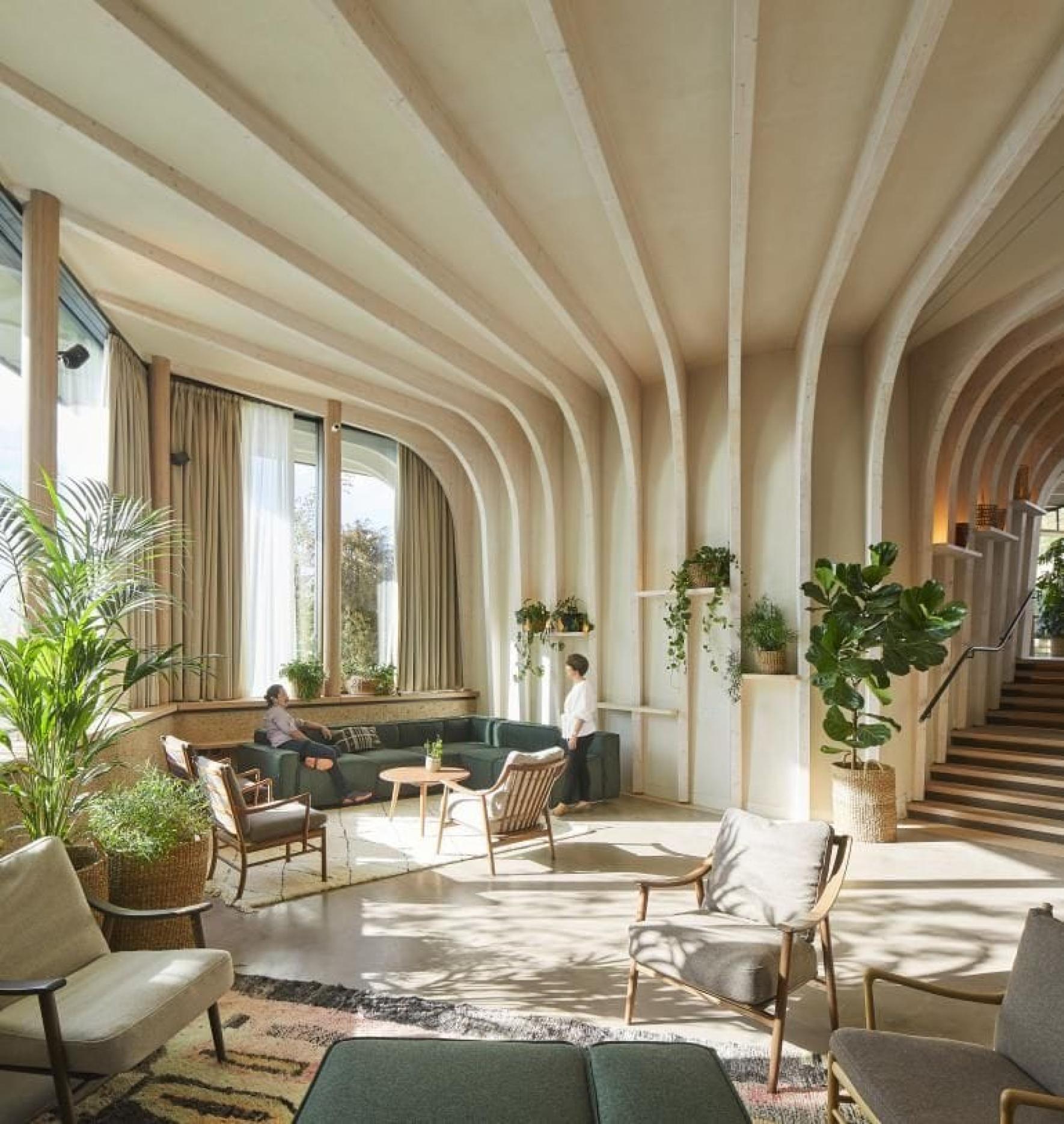
Neuroarchitecture: The Impact of Interior Design on Human Mind and Behavior.
Interior design is not merely about beautifying a space or choosing colors and materials; rather, it plays a vital role in shaping the human life experience and one's interaction with the surrounding environment. In this context, a new multidisciplinary field called Neuroarchitecture has emerged, bridging the relationship between brain science, psychology, and architecture.
What is Neuroarchitecture?
Neuroarchitecture is a scientific approach that examines the impact of the visual environment and architectural spaces on human brain function, emotions, thought processes, and behavior. By drawing on insights from psychology and neuroscience, this field strives to create human-centered spaces tailored to users' psychological and physical needs.
The Impact of Interior Design Elements on Humans
Color:
Colors play a significant role in human visual and emotional experiences. Selecting appropriate colors based on the type of space and its intended purpose contributes to creating a calm, active, or engaging atmosphere.
Lighting:
Both natural and artificial light influence vision, focus, and the regulation of the human circadian rhythm. Therefore, lighting systems must be designed to align with the user's activities and needs.
Spatial Organization:
The layout of a space, movement pathways, connections between areas, and the degree of openness or enclosure directly affect comfort, orientation, and spatial usability.
Materials and Natural Elements:
Incorporating wood, stone, plants, and natural textures strengthens the human connection to nature, fostering a favorable environment for well-being and an enhanced spatial experience.
The Role of Neuroarchitecture in Contemporary Design
The significance of this field lies in encouraging designers to look beyond surface aesthetics and actively consider users' psychological, emotional, and behavioral needs.
This perspective can be applied to residential homes, schools, hospitals, offices, and commercial spaces to build environments better suited for learning, working, resting, and living.
Conclusion
Neuroarchitecture offers a crucial modern lens for architecture and interior design—one that places the human experience at the center of the design process. Ultimately, successful design is not just visually appealing; it is a space where the user experiences true comfort, peace, and well-being.
Sources.
Neuroarchitecture - Biology (2024) •
The Cognitive-Emotional Design of •
Architectural Space (2021)
Designing for Human Wellbeing (2023) •